

There are few stories in cinema that have been revisited as many times as Frankenstein. Because of that, every new adaptation comes with a fair amount of skepticism — including mine. I didn’t expect to be surprised again. And yet, this new version of Frankenstein genuinely caught my attention.
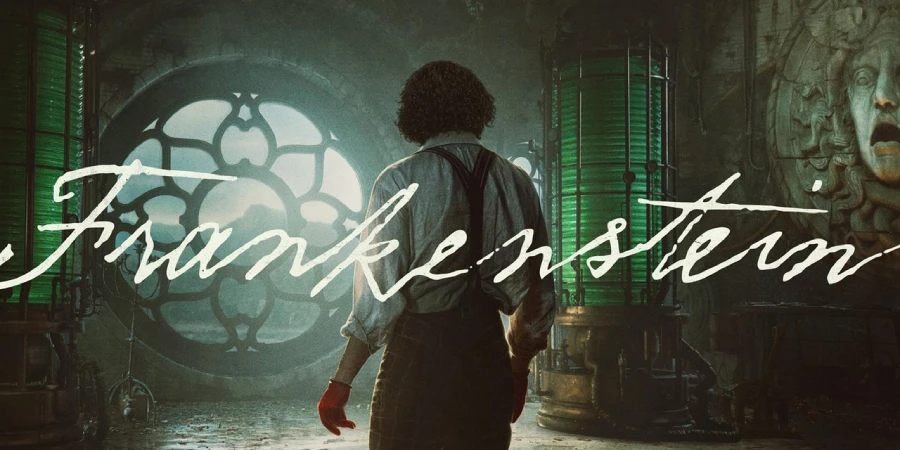
Not because it tries to reinvent the myth completely, but because it approaches it with emotion, restraint, and respect for what the story truly represents.
What is the new Frankenstein film?
The new Frankenstein is a modern reimagining of Mary Shelley’s classic novel, directed by Guillermo del Toro, a filmmaker known for blending fantasy, horror, and deep emotional storytelling.
Rather than focusing solely on horror elements, this adaptation leans heavily into atmosphere, tragedy, and character — especially the creature itself. It’s a version that feels more intimate than monstrous.
A take on Frankenstein that feels more human
What stood out to me almost immediately is how human this film feels. Instead of portraying the creature as a simple symbol of terror, the story emphasizes loneliness, rejection, and the desire to belong.
This approach reminded me why Frankenstein was never really about a monster. It’s about creation, responsibility, and the consequences of playing god — themes that feel just as relevant today as they did centuries ago.
Cast and direction
The film stars Oscar Isaac as Victor Frankenstein, delivering a performance that feels obsessive, fragile, and deeply conflicted. His portrayal avoids exaggeration and instead focuses on internal tension, which I found far more effective.
The creature is portrayed with surprising sensitivity, reinforcing the idea that fear often comes from misunderstanding rather than evil. Under Guillermo del Toro’s direction, even silence carries emotional weight.
Why this Frankenstein worked for me
I’ve seen many Frankenstein adaptations, and most of them lean too heavily into spectacle or horror clichés. This one didn’t.
What I personally liked the most:
- A slower, more contemplative pace
- Strong emotional focus instead of constant shocks
- Visual storytelling that feels gothic but grounded
- A clear sense of empathy for the creature
At several points, I found myself feeling uncomfortable — not because of fear, but because the film forces you to confront how cruelty often comes from neglect rather than malice.
Themes that stood out
This version of Frankenstein explores themes that go beyond horror:
- The responsibility of creation
- Isolation and abandonment
- The fear of what we don’t understand
- Obsession and moral blindness
- The cost of ambition
For me, these themes were what gave the film its real power. The horror exists, but it’s emotional, not just visual.
Not a typical horror film — and that’s a strength
Anyone expecting a fast-paced horror movie filled with jump scares might be disappointed. This Frankenstein is quieter, heavier, and more reflective.
Personally, I appreciated that. It feels closer to a tragic drama than a traditional horror film — and that choice makes it linger in your mind long after it ends.
Where to watch Frankenstein
The film is set to be released on Netflix, where it will be available globally. Given the scale of the production and the director involved, it’s clearly positioned as a major release rather than a simple remake.
Final thoughts: is the new Frankenstein worth watching?
In my opinion, yes — especially if you’re interested in character-driven stories rather than straightforward horror.
This new Frankenstein doesn’t try to shock you constantly. Instead, it invites reflection, empathy, and discomfort in a much deeper way. And for a story that has been told so many times, that alone makes it feel refreshingly alive.